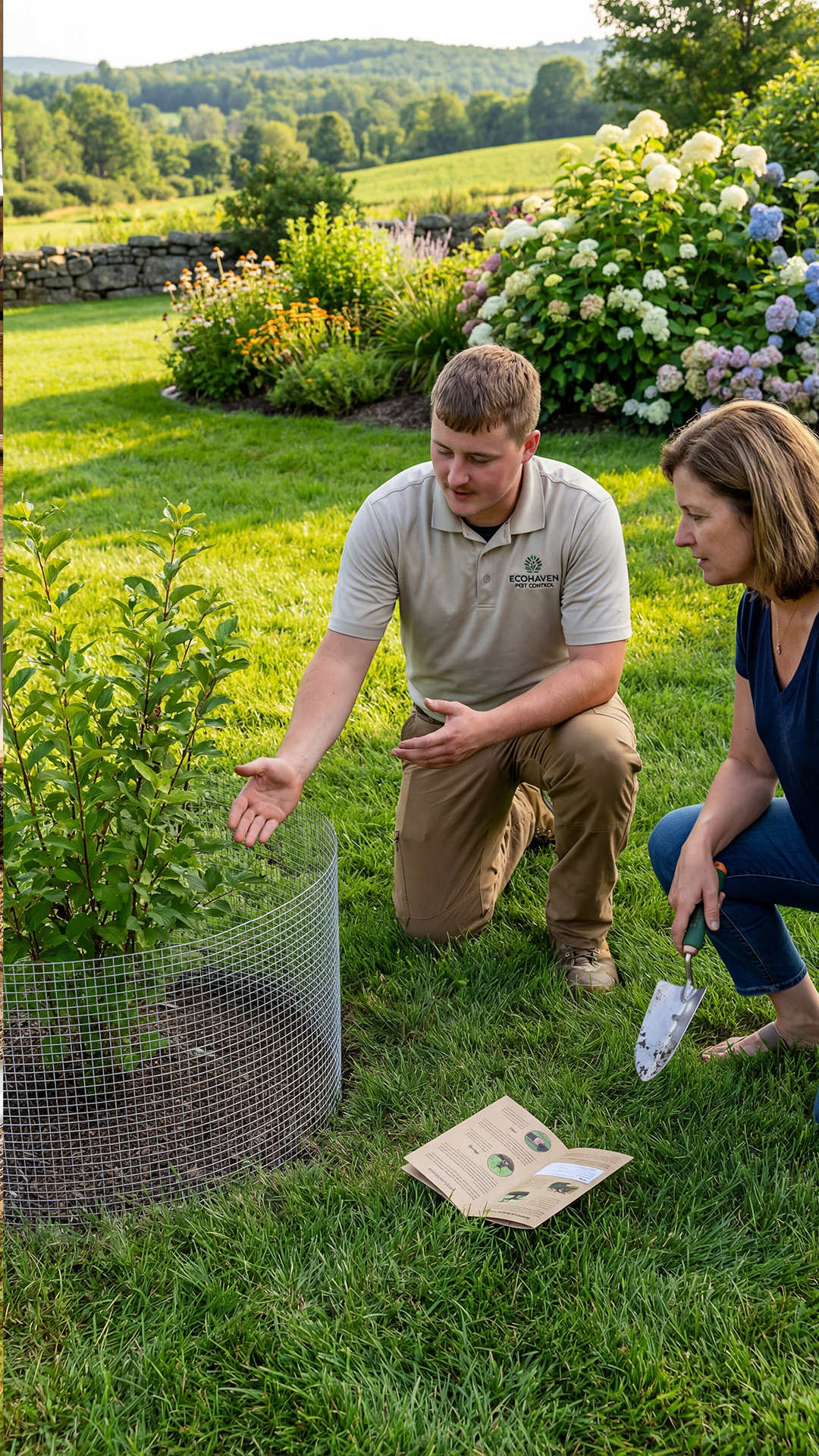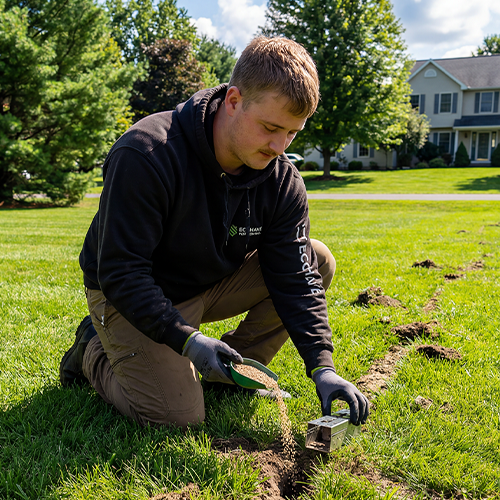
Muddy tracks across lawn near farmhouse
Lawn-saving mole & vole management

Mole & vole control that saves the lawn.

Moles and voles never set foot in your house — they wreck what’s around it. Moles tunnel and heave the turf; voles eat the plants and girdle young trees under the snow. Different animals, different damage, and a program built for each.

Free inspections Transparent pricing Family owned and operated Long-term prevention
Moles vs. voles

Two different animals wrecking two different things

They get lumped together because the damage shows up in the same yard — but a mole program aimed at voles (or vice versa) accomplishes nothing.

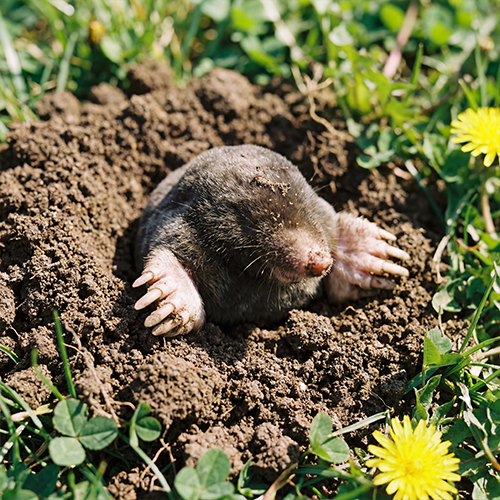
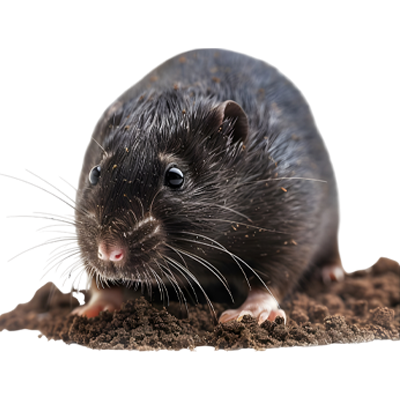
Mole emerging from soil in grassy garden
Species-specific control Moles tunnel. Voles eat.
  1. 1

    Moles are the engineers

    Raised ridges snaking across the lawn and volcano-shaped mounds are mole work. They’re insectivores hunting grubs and earthworms — they don’t eat your plants, they undermine them, along with the turf your mower scalps on every ridge.

  2. 2

    Voles are the eaters

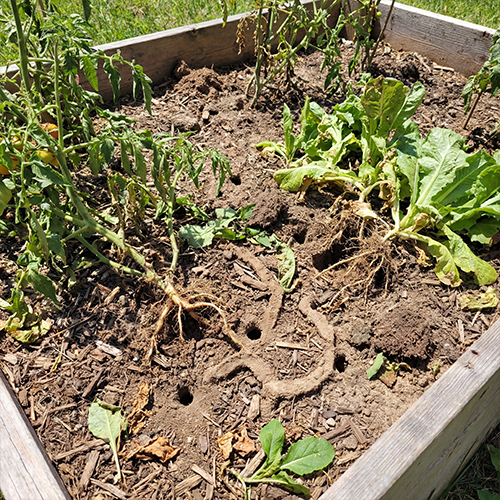
    Voles look like stocky mice but live outside — and they eat plants: hosta crowns, bulbs, root vegetables, and the bark of young trees. A vole-girdled trunk at the snow line kills the tree.

  3. 3

    Winter is vole season

    Under Upstate NY snowpack, voles run protected surface highways all winter. The snow melts and reveals a lawn full of worn runways and chewed bark — damage that happened invisibly for months.

  4. 4

    They invite bigger problems

    Vole and mole networks are ready-made corridors for rats and shrews, and vole pressure at foundation plantings puts rodents against your siding-to-foundation gap — the entry point our exclusion systems guard.

  5. 5

    Poison isn’t the answer here either

    Broadcast baits endanger owls, foxes, pets, and everything else that eats a poisoned rodent. Effective control is species-specific: active-tunnel trapping for moles, habitat pressure and targeted trapping for voles.

Our process

How we manage moles & voles

  • 01

    Lawn & landscape inspection

    Ridges and mounds mean moles; surface runways and gnawed bark mean voles. We confirm the species and map the active areas.

  • 02

    Species-specific program

    Mole control targets active tunnels; vole control combines runway trapping with habitat pressure. No broadcast poisons.

  • Active-Area Control
    03

    Targeted trapping

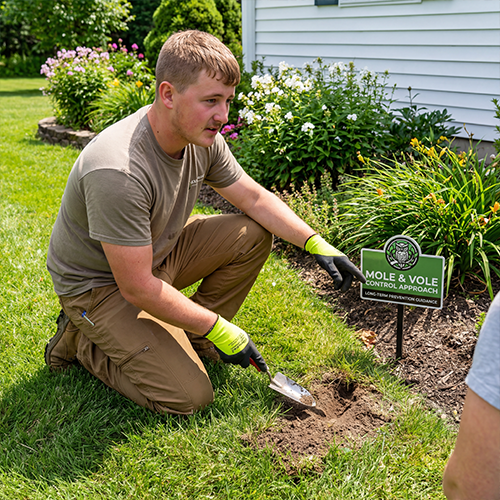
    Traps are set in confirmed active tunnels and runways — the only placement that works — and adjusted as activity shifts.

  • 04

    Habitat adjustments

    Mulch depth at trunks, ground-cover density, thatch, and grub pressure — the conditions that recruit the next generation get corrected.

  • 05

    Monitor & follow up

    Activity is rechecked and the program adjusted until the lawn stays quiet through the season.

  • Why Eco Haven

    Lawn protection that targets the right animal

    Identify first, then control — because moles and voles don’t answer to the same program.

    Correct species ID

    Ridge vs. runway, mound vs. gnaw mark — the program starts by naming the culprit correctly.

    Active-tunnel trapping

    Mole traps only work in tunnels that are actually in use — we find and confirm them first.

    No broadcast poisons

    Owls, foxes, and pets eat rodents. Our program protects the food chain your yard depends on.

    Tree & garden protection

    Vole guards and habitat corrections protect young trunks, bulbs, and beds before the snow flies.

    Structure-aware

    Vole pressure at foundation plantings gets flagged against your home’s entry points — we watch the building too.

    Seasonal follow-up

    Activity is monitored and the program adjusted through the season, not set-and-forgotten.

    Service details

    What mole & vole service includes

    A defined outdoor program built around two very different animals.

    Service Mole & vole identification, trapping, and habitat management
    Target Species Eastern moles, star-nosed moles, meadow voles
    Mole Program Active-tunnel confirmation and targeted trapping
    Vole Program Runway trapping, trunk guards, and habitat pressure
    Poisons None — no broadcast rodenticides, no secondary poisoning risk
    Season Spring through fall control; fall prep for under-snow vole season
    Landscape Mulch, thatch, ground cover, and grub-pressure guidance included
    Monitoring Follow-up visits until activity stops
    Compatibility Pairs with Eco Haven exclusion systems where activity nears the foundation

    Signs of moles

    Raised ridges across the lawn Volcano-shaped soil mounds Spongy turf underfoot Ridges following lawn edges Damage worst in moist soil

    Signs of voles

    Worn surface runways Gnawed bark at the snow line Missing bulbs & hosta crowns Runways revealed at snowmelt Burrow holes with no mound
    Sunlit forest path among tall trees
    Local · Licensed · Guaranteed

    Hearing something up there? Let’s get it out — humanely.

    Humane removal first, then we seal every way back in so it stays out. Serving Upstate NY & Southwest VT.

    Book Online Call or text518-807-4324 $50 off your first service — no coupon needed.
    FAQ

    Questions homeowners ask about moles & voles

    Moles or voles — how do I tell?

    Raised tunnels and volcano-shaped mounds are moles. Worn surface paths, gnawed bark, and eaten plants are voles. Moles undermine; voles eat. It matters because the control programs are completely different.

    Do grub treatments get rid of moles?

    Rarely by themselves — earthworms, not grubs, are a mole’s primary food, so a grub-free lawn can still feed moles indefinitely. Active-tunnel trapping is what actually removes them; grub reduction just lowers the attraction.

    Something killed my young fruit trees over the winter. Voles?

    If the bark is gnawed away in a band near the ground — girdling — that’s classic under-snow vole damage. Trunk guards and fall habitat prep are how we protect trees before the snowpack hides the damage in progress.

    Are voles the same as mice?

    They’re close cousins but behave differently: voles are stockier, live outdoors, and eat plants. But vole populations at your foundation plantings put rodent pressure right against the house — worth pairing lawn control with sealed entry points.

    Why not just put down poison?

    Broadcast rodenticides move up the food chain — owls, hawks, foxes, and pets eat poisoned rodents. Our program is targeted trapping plus habitat correction, which works without collateral damage.

    What areas do you serve?

    Eco Haven provides mole and vole control across Upstate New York and Southwest Vermont — lawns, gardens, orchards, and camps.

    Still not sure what you’re dealing with? Real local people answer — no call centers. Same-day help on urgent pest or wildlife calls.

    Get started

    Request Your Mole & Vole Inspection

    The best time to act is while the tunnels are active — and before the snow gives voles all winter to work unseen. Tell us what the lawn looks like.

    Free inspections. Transparent pricing. Local team.

    Related help

    Protection for the rest of the property

    Ground rodent pressure near the house is a reason to check the building’s entry points, too.

    BurrowBlock™

    Below-grade barrier that stops digging wildlife beneath decks, additions, sheds, slabs, and foundations.

    Learn more

    EcoSeal™ Rodent Barrier System

    Heavy-gauge custom-fabricated metal reinforcing the siding-to-foundation transition — the most common rodent entry point.

    Learn more

    Essential Seal™

    Whole-home sealing of pipe penetrations, utility entries, and other entry points, paired with a snap trap program.

    Learn more

    All Sustainable Solutions

    Explore the full Eco Haven family of prevention-first, structural exclusion services.

    Learn more
    Mole & vole control by Eco Haven

    Ridges and runways across the lawn?

    Species-specific trapping and habitat correction — no broadcast poisons, no guesswork. Call or text for a free lawn and landscape inspection.

    $50 off initial service
    Mention this offer when you book your inspection.
    Call or text Eco Haven — fast local response518-807-4324
    Owl logo with phone number 518-807-4324
    Full-service pest control & wildlife removal in Upstate NY & Southwest VT.

    Insects, rodents, squirrels, bats & more — with professional exclusion and lasting solutions.
    Eco Haven Pest Control © 2026 All Rights Reserved.
    Need Quick & Reliable Service?
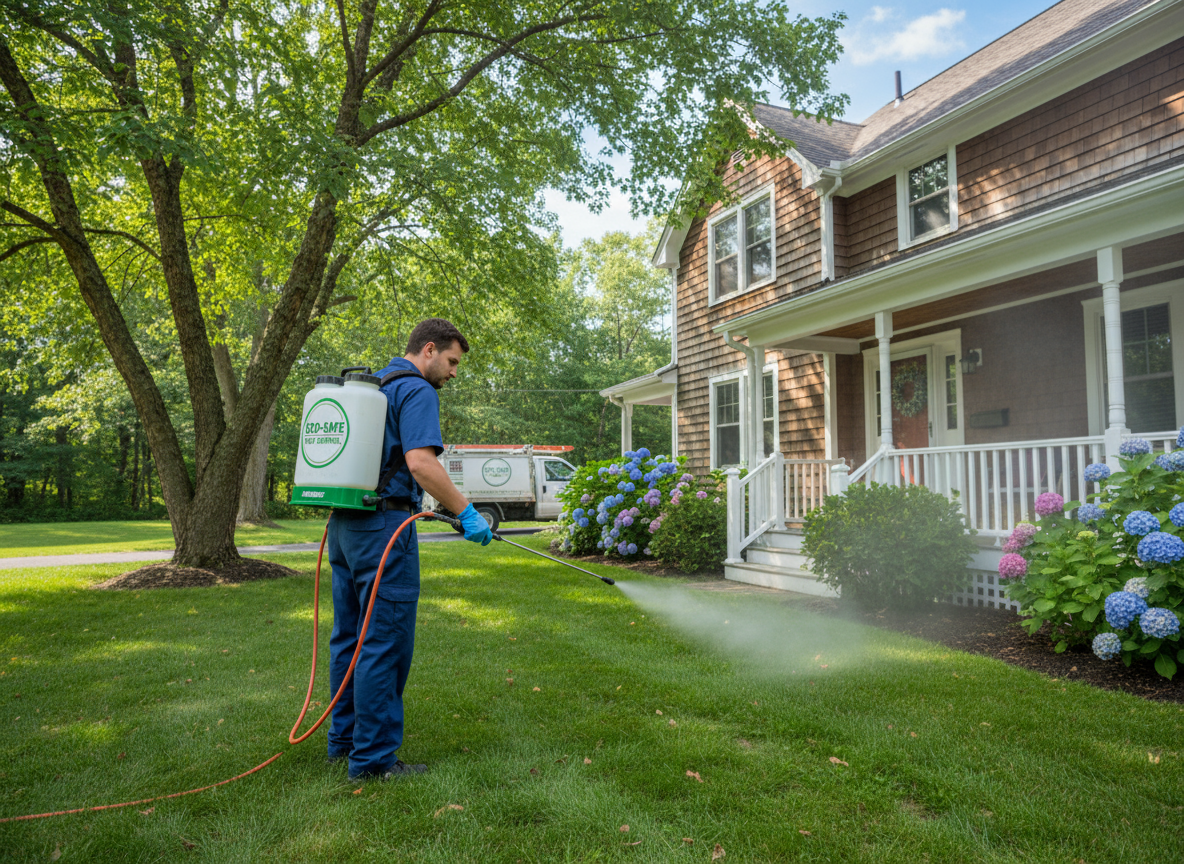
    Technician spraying eco-friendly pest control on lawn
    What We Offer:
    • General Pest Control
    • Wildlife Control
    • Rodent Proofing
    • Mosquito & Tick Treatments
    • Seasonal Pest Maintenance Plans