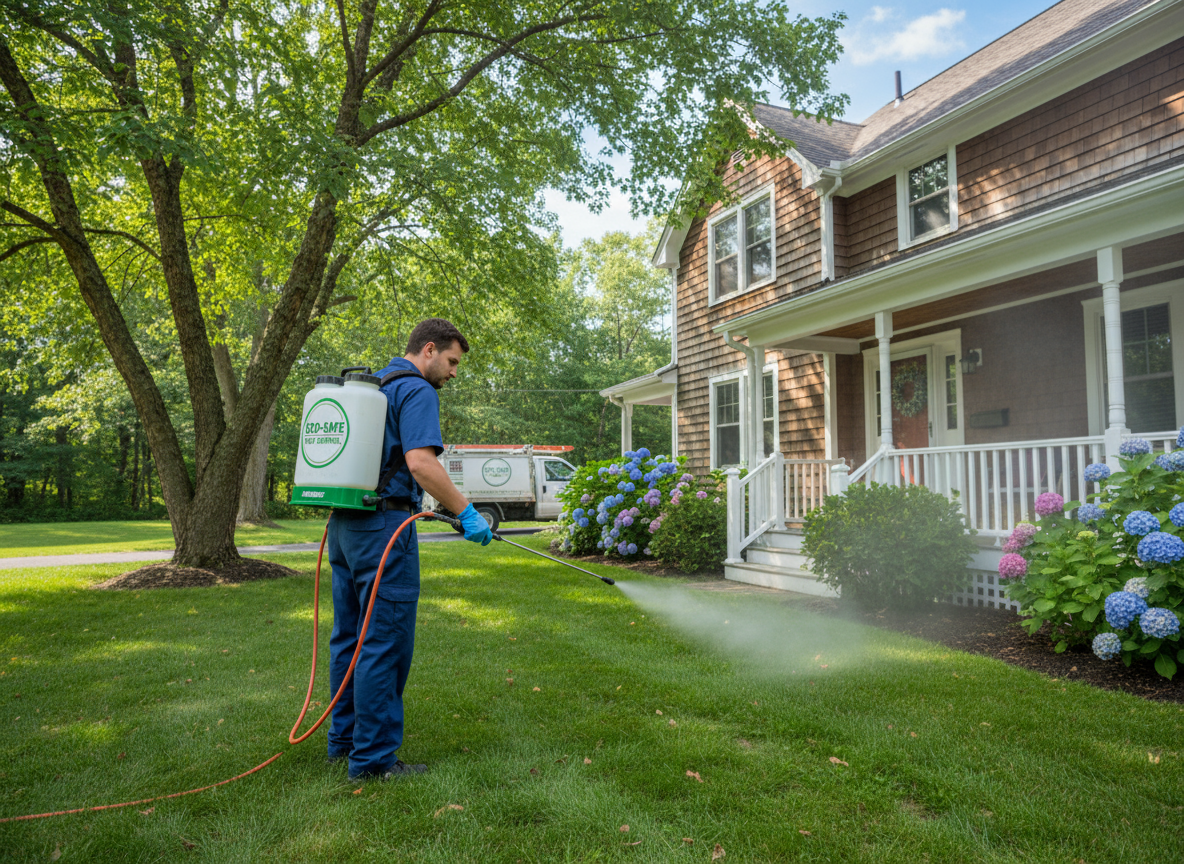
Upstate New York and Vermont are the heart of Lyme country — and your yard has specific zones where ticks quest and mosquitoes breed. Eco Haven treats those zones on a seasonal program: the edges, the leaf litter, and the standing water, not a blanket fog over everything that blooms.
Ticks and mosquitoes aren’t infesting your house — they’re using predictable zones of your yard. Control means knowing exactly which zones.

Blacklegged (deer) ticks don’t cross sunny, mowed lawn — they quest from leaf litter, stone walls, tall-grass margins, and the shaded transition where your yard meets the woods. That edge zone is where protection happens.
Our service area carries some of the country’s highest Lyme disease rates, plus anaplasmosis and babesiosis. Tick control here isn’t comfort — it’s family health policy, worth doing right.
Tick larvae pick up Lyme from white-footed mice — the yard’s mouse habitat (woodpiles, stone walls, brushy edges) is also its tick nursery. Managing rodent harborage is quiet tick control.
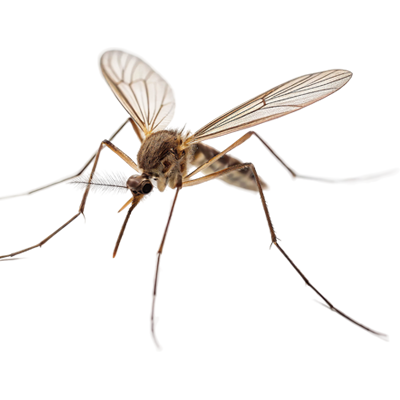
Mosquitoes breed in any water that stands five days: gutter troughs, plant saucers, tarp folds, toys, birdbaths. Yard treatment without a standing-water audit is half a program.
Fogging everything that flowers kills pollinators and misses the point. Targeted barrier applications on shaded resting foliage and tick zones protect the family — and leave the garden alive.
We map your tick edges, mosquito resting foliage, standing-water points, and the family traffic areas that need protecting most.
Every five-day puddle gets found — gutters, saucers, tarps, toys — and either corrected or treated with larvicide.
Barrier applications on yard edges, leaf litter, stone walls, and shaded foliage — where ticks quest and mosquitoes rest, not where pollinators feed.
Edge management guidance — litter, brush, woodpiles, and the rodent harborage that feeds the tick cycle.
Scheduled visits maintain the barrier from spring nymph season through fall — the whole time your family is outside.
The goal is a yard you use barefoot — all season, without the weekly tick checks coming up positive.
Edges, litter, and shade get treated; open lawn and blooming gardens don’t need it.
Applications avoid flowering plants and target resting/questing zones — the bees keep working.
Nymph season (late spring) gets the emphasis — the poppy-seed-sized stage causes most infections.
Every visit rechecks the five-day water that restarts mosquito season in your own yard.
Clear re-entry timing for kids, dogs, and gardens on every application.
Spring through fall coverage — protection that matches the months you’re outside.

One call puts a licensed local tech on it — treatment plus the seal-up that keeps them from coming back. Serving Upstate NY & Southwest VT.
Ticks and mosquitoes use predictable zones of a property. This is where — and what we do in each one. Tap the pins.
Blacklegged ticks don’t cross sunny lawn — they wait at the shaded transition where yard meets woods, forelegs out. The edge barrier treatment concentrates exactly here, where exposure actually happens.
Ticks dry out fast — leaf litter and dense foundation plantings are their daytime shelter. Treated, and where possible, raked back from the areas your family uses.
Mosquitoes spend their days resting on shaded foliage and under decks. Barrier application on resting surfaces — never on blooms — cuts the evening biters where they wait.
A clogged gutter is a mosquito hatchery running all season. The standing-water audit on every visit finds the five-day water — gutters, saucers, tarps, toys.
The program is designed backwards from where kids, pets, and hammocks actually are — the buffer between family zones and tick zones gets priority.
Tick larvae pick up Lyme from white-footed mice — and stone walls, woodpiles, and brushy corners are mouse habitat. Managing them is quiet tick control.
This is Lyme country, and the poppy-seed-sized nymphs of late spring cause most infections. They live in predictable places — edges, litter, shade — which is exactly where a targeted barrier goes, on a schedule that covers the whole season your family is outside.
Blanket fogging is the lazy version: it kills pollinators, misses the litter layer ticks actually occupy, and has to be redone anyway. Zone treatment plus a standing-water audit beats it on every axis — results, product used, and what’s left alive in your garden.
Zone mapping and the first barrier — ahead of nymph season, before the first family cookout.
Nymph season peak. The poppy-seed stage is the dangerous one — barrier refresh plus the first full standing-water audit.
Scheduled reapplications hold the line through mosquito peak; every visit re-checks the five-day water.
Final barrier as adult ticks surge, plus habitat prep — litter, brush, and the mouse harborage that feeds next year’s cycle.
A yard the family used barefoot all year — and a property-specific plan already set for spring.
Targeted barrier treatment of the edge zones where ticks quest — combined with habitat management — measurably knocks down the tick population your family contacts. It layers with (never replaces) tick checks and pet prevention.
Earlier than most people think — adult ticks are active any winter day above about 40°F, and the dangerous nymph stage (poppy-seed sized, easily missed) peaks in late spring. The program starts before the season, not after the first bite.
Not the way we do it. Applications target shaded resting foliage, leaf litter, and edge zones — never blooming plants. Blanket fogging is exactly what we don’t do.
Something is still breeding — mosquitoes need only five days in a bottle cap of water. Our program pairs the barrier treatment with a standing-water audit every visit, because the source is usually in the yard itself.
Keep the lawn edge mowed, pull leaf litter back from play areas, dump standing water weekly, and keep woodpiles away from the house — the same mouse habitat that feeds the tick cycle. We leave a property-specific list.
Eco Haven runs seasonal tick and mosquito programs across Upstate New York and Southwest Vermont — yards, camps, and event properties.
Still not sure what you’re dealing with? Real local people answer — no call centers. Same-day help on urgent pest or wildlife calls.
Tell us how the yard gets used — kids, pets, gardens, trails — and we’ll map the zones and build the season around it.
Free inspections. Transparent pricing. Local team.
Yard health is an ecosystem — these pages connect.
Whole-cycle flea treatment for home and yard — timed around the pupal window so it actually ends.
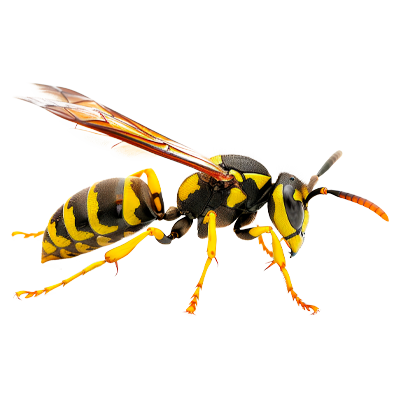
Learn moreSafe wasp and hornet nest removal — honey bees identified and referred for relocation, never exterminated.
Learn moreLawn and landscape rodent management — the other half of a healthy yard.
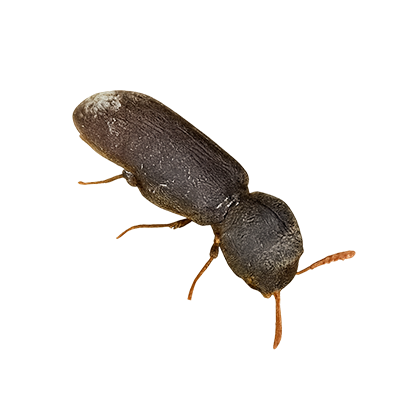
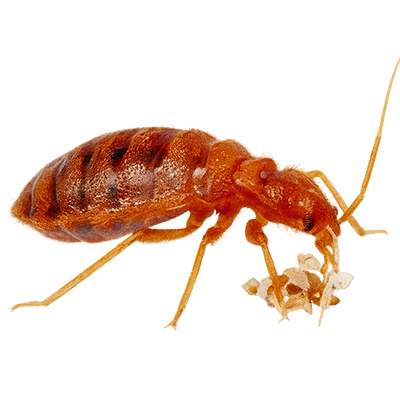
Learn moreSpiders, centipedes, earwigs & more — exclusion-first control that closes the door behind them.
Learn moreExplore every Eco Haven insect and pest service — targeted, eco-conscious, and prevention-first.
Learn moreThis is Lyme country — the yard can be defended. Call or text for a zone assessment and a season-long program that lets the family back outside.