Most ant problems are a nuisance. Carpenter ants are a structural problem — they excavate the damp wood of Upstate homes, camps, and log houses, and every year they’re mistaken for “just ants” until the damage is real. Eco Haven identifies the species first, then eliminates the colony — not just the trail.
Spraying the ants you can see is the classic losing move — and with carpenter ants, the stakes are your framing.

Big black ants indoors, piles of sawdust-like frass, and faint rustling in walls point to carpenter ants hollowing out galleries in moisture-softened wood — sills, rim joists, porch columns, log walls. It’s the Northeast’s quiet structural pest.
A carpenter ant nest almost always marks a moisture problem: a leaky sill, wet crawlspace wood, gutters dumping at the foundation. Treat the ants without finding the moisture and the wood invites the next colony.
Repellent sprays kill scouts and split certain colonies into satellite nests (budding) — turning one problem into three. Effective ant control uses non-repellent products and baits the workers carry home to the queen.
Carpenter ants keep a parent colony (often outside in a stump or woodpile) plus satellite nests indoors. Killing a satellite without tracing the network is a one-season fix.
Winged ants emerging indoors in spring mean a mature colony is inside the structure — and they’re often confused with termites. An inspection settles the species and the source.
Carpenter, pavement, or odorous house ants — the species decides the plan. We trace trails, locate nests, and check the wood and moisture conditions.
For carpenter ants we find the wet wood: sills, crawlspaces, porch framing, log courses — and document any excavation damage.
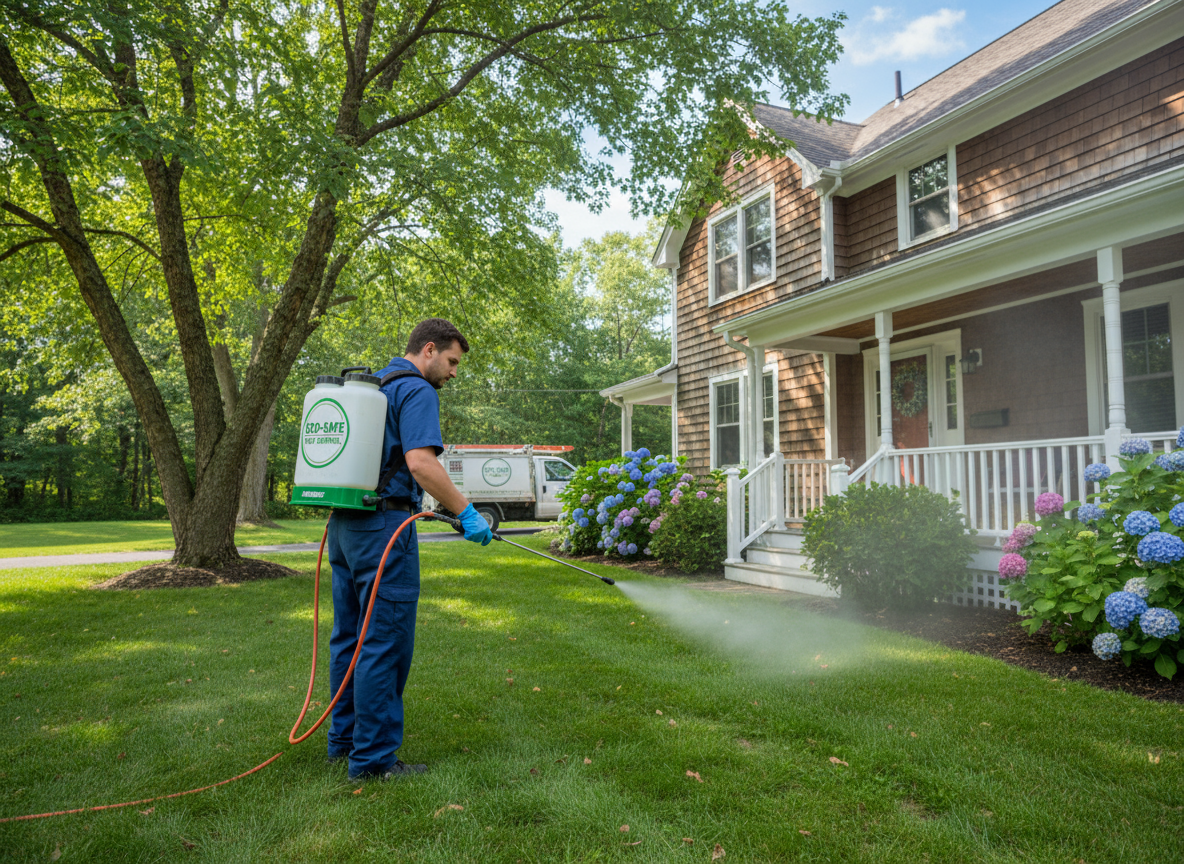
Non-repellent products and baits work back to the queen and satellite nests — no trail-spraying that scatters the colony.
Moisture sources, wood-to-soil contact, mulch against siding, and branch bridges get corrected so the structure stops recruiting ants.
Follow-up visits confirm the trails are gone and no satellite activity remains.
A pavement ant plan aimed at carpenter ants protects nothing — identification comes first.
Carpenter, pavement, or odorous house ant — each gets the program that actually works on it.
Carpenter ant work includes finding the moisture-damaged wood they’re excavating — and documenting it.
Non-repellent, targeted products that reach the queen instead of scattering the colony.
Targeted placements, kid- and pet-aware — the right product in the right place, nothing more.
Log walls and seasonal camps are carpenter ant magnets — and a specialty of our service area.
Colony elimination is verified, not assumed — return visits confirm the problem is gone.
One call puts a licensed local tech on it — treatment plus the seal-up that keeps them from coming back. Serving Upstate NY & Southwest VT.
This is where an ant problem actually lives on your property — and what we do at each spot. Tap the pins.
Odorous house and pavement ants run scent trails to crumbs, pet bowls, and the sink line. We bait the trail — never spray it — so foragers carry a slow dose home and feed it to the queen. One ask: don’t wipe the trail mid-program. It’s our delivery route.
Pavement ants throw up soil craters between pavers; carpenter ants move into damp deck posts and framing. Slab joints get non-repellent treatment, and every post base gets a moisture read before we call it clean.
Mulch piled against siding holds moisture against your foundation and hides the highways. We treat the perimeter band, then fix the invitation: mulch pulled back, wood-to-soil contact broken, slab cracks sealed.
Moisture-softened rim joists and sills are carpenter ant real estate — they don’t eat the wood, they hollow it into galleries. We treat the galleries directly and hand you a moisture report, because the water is the reason they chose your house.
A limb touching the roof carries ants straight past every ground treatment — straight to the roofline. We flag every bridge for trimming and treat the trailheads at both ends.
Swarmers emerging indoors in spring are a mature carpenter ant colony announcing itself — and they’re routinely mistaken for termites. We trace them back to the nest, parent or satellite, and treat it at the source.

Counter ants are expendable foragers — a colony replaces them in hours. Non-repellent gel baits turn them into delivery drivers: they carry a slow-acting dose back to the nest, share it through the colony’s social feeding, and the kill cascades to the queen.
Store sprays do the opposite — they kill the couriers, alarm the colony, and trigger budding: one nest splits into several. It’s why the problem “comes back worse” after the spray can. It never left; it multiplied.
Species ID, nest tracing, moisture check — then precision bait and non-repellent placements, inside and out.
You may see more ants. That’s recruitment to the bait — the plan working. Don’t clean the trails, don’t spray anything.
Trails thin as the bait moves through the colony and reaches the queen. Most infestations go quiet in this window.
We verify the crash, re-bait anything active, and trace satellite nests if a colony split before we got there.
Moisture fixed, mulch pulled, bridges cut, gaps sealed. Verified done — and backed by our workmanship warranty on exclusion work.
The things homeowners actually ask us — including the two everyone’s embarrassed to ask.
Possibly, and it’s worth finding out quickly. Large black ants indoors — especially at night, in early spring, or with sawdust-like debris showing up along baseboards and window sills — are the classic carpenter ant signature. Unlike the little sugar-trail species, carpenter ants excavate structural wood.
The inspection settles it in one visit: we identify the species, and if it’s carpenter ants, we trace them to the nest and the moisture problem that invited them.
They’re slower, but the endgame is the same: hollowed sills, joists, porch columns, and log courses. A colony left alone for years does real structural damage — we’ve opened walls in Upstate camps where a rim joist was mostly galleries.
The silver lining: carpenter ants always follow moisture. Finding the nest almost always finds a fixable water problem — and fixing the water is what makes the repair permanent.
Because store sprays are repellents — and several ant species respond to a chemical threat by budding: the colony detects the danger and splits into multiple satellite nests. You killed the foragers you could see and turned one kitchen problem into three wall-void problems.
It’s recoverable. Our program uses strictly non-repellent baits and treatments the colony can’t detect — the walkthrough above shows exactly how the bait reaches the queen.
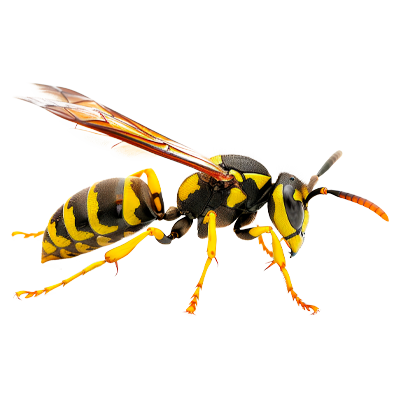
Take a breath — it’s very often carpenter ant swarmers, which get mistaken for termites constantly. The quick check: ants have pinched waists, elbowed antennae, and front wings longer than the back; termite bodies are straight-sided with equal wings.
Either way, swarmers emerging indoors mean an established colony in the structure, and that’s worth a professional look this week — not this season. Snap a photo if you can; we can usually make the call from it.
That’s a placement question, and it’s the whole design: gel baits go into cracks, hinges, voids, and enclosed stations — the places ants live and fingers and paws don’t reach. Nothing gets applied to counters, floors, or anywhere family life happens.
Outside, placements stay in defined zones and never touch anything blooming — the pollinators keep working. You get clear re-entry guidance with every visit, and for typical ant service there’s nothing to wait for.
For standard ant service — no. Placements are targeted and enclosed, and the house stays livable throughout. It’s one of the practical differences between precision baiting and the broadcast spraying we don’t do.
The one exception: certain carpenter ant void or gallery treatments come with brief, room-specific guidance — we’ll tell you exactly what and for how long before any work starts.
Not the colony we eliminated — that’s verified dead at follow-up, not assumed. What CAN happen is a new colony from outside finding the same welcome mat: the mulch against the siding, the branch touching the roof, the damp sill.
That’s why the program ends with conditions, not chemicals — moisture corrected, bridges cut, gaps sealed. Remove the invitation and next spring’s scouts keep walking.
Upstate New York and Southwest Vermont — homes, camps, log houses, and businesses. Carpenter ant country is our home field: lake places and seasonal camps that sit closed and damp are half our ant work.
Call or text 518-807-4324 and we’ll confirm your town on the spot.
Still not sure what you’re dealing with? Real local people answer — no call centers. Same-day help on urgent pest or wildlife calls.
If there’s any chance it’s carpenter ants, the inspection is worth it — the earlier the colony is found, the less wood it costs. Tell us what you’re seeing.
Free inspections. Transparent pricing. Local team.
Every Eco Haven service is species-specific — find the page that matches what you’re seeing.
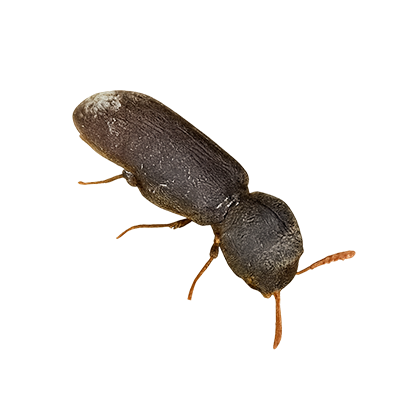
Wood-boring beetle treatment for camps, barns, log homes, and hardwood floors.
Learn moreBait-driven roach elimination that removes the breeding colony instead of scattering it.
Learn moreSpiders, centipedes, earwigs & more — exclusion-first control that closes the door behind them.
Learn moreWhole-home sealing of pipe penetrations, utility entries, and gaps — the exclusion half of insect prevention.
Learn moreCustom-fabricated metal sealing the siding-to-foundation gap — the same route many crawling insects use.
Learn moreExplore every Eco Haven insect and pest service — targeted, eco-conscious, and prevention-first.
Learn more
That combination is carpenter ants until proven otherwise — and they’re excavating something. Call or text for a free inspection and a species-first plan.